

Questions about care? Call (562) 273-3487 Agency license HCO #194701300
Non-medical home care · Los Angeles, California

Home Care in Los Angeles, CA

The right care does more than help someone through today’s routine. It pays attention to the person, keeps the family informed when something matters, and helps the next visit build on the one before it.

Ms. Lewis’s Home Care provides personalized, non-medical support for families exploring home care in Los Angeles. Whether your loved one needs help with personal routines, companionship, meals, household tasks, or relief for a family caregiver, we begin by understanding what life at home is like now.

You do not need to know exactly which service or schedule you need before contacting us.

The Lewis Standard: Notice. Communicate. Anticipate. Act.

Caregiver speaking with an older adult at home
Founded in Bellflower Special Lewis, Founder & CEO 9737 Somerset Boulevard, Bellflower, CA 90706

Based in Bellflower9737 Somerset Boulevard

Licensed agencyHCO #194701300

The Lewis StandardNotice. Communicate. Anticipate. Act.

The Lewis HandoffWhat carries forward between visits

Families in Los Angeles

You need help at home. You also need to know what is happening.

Finding a caregiver is only one part of arranging care. A daughter who lives across Los Angeles may want to know whether her mother ate lunch. A spouse providing most of the support may need a few hours to manage other responsibilities. Siblings may be sharing decisions but struggling to keep everyone informed.

These families are often searching for in-home care in Los Angeles because everyday life has become harder to manage alone. They may not know whether they need personal care, senior companionship, respite, or a combination of services.

You can start with your concerns instead of a service label:

  • What has become difficult for your loved one?
  • Which routines matter most to them?
  • When is family help available, and when is it not?
  • What do you worry about when nobody else is there?
  • What would help your family feel better informed?

We can discuss the non-medical support that may fit those needs. Our approach is built around the client’s daily life and the information families need to coordinate care.

A smiling older woman looks up at her caregiver during a calm conversation at home

Visit or call

Ms. Lewis’s Home Care LLC

9737 Somerset Boulevard
Bellflower, CA 90706

Phone: (562) 273-3487

Agency license: HCO #194701300

Tell Us What Is Happening at Home

Non-medical support

Home care services in Los Angeles

Home care services in Los Angeles can include many kinds of practical support. The right combination depends on the person receiving care, their care plan, the requested schedule, and available caregiver coverage.

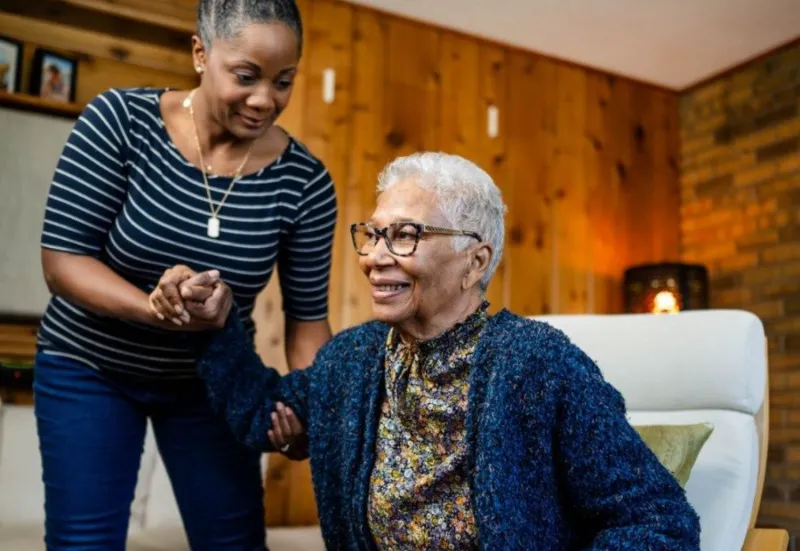
A caregiver gently helps an older woman stand up from her armchair at home

Personal care and everyday support

Some daily activities become more difficult long before someone wants to leave home. Our caregivers can provide appropriate help with bathing, grooming, dressing, toileting, feeding, mobility, and other personal routines included in the care plan.

Good personal care begins with respect. We want to understand how the client prefers to start their day, what they can do comfortably on their own, and where assistance would be welcome. The goal is to support the person without losing sight of their preferences and independence.

Families comparing personal care services in Los Angeles should ask how an agency learns those details and how caregivers communicate if a familiar routine appears to change.

An older woman laughs with a companion caregiver on a park bench

Companion care and meaningful daily interaction

A person may manage many physical tasks independently and still benefit from regular company. Companion care in Los Angeles can include conversation, shared activities, assistance with everyday routines, and a familiar presence during the day.

Tell us what your loved one enjoys. Perhaps they like discussing family stories, playing a familiar game, sorting photographs, or simply having someone present while they go about the day. Knowing their interests helps make companionship personal.

A caregiver who spends time learning someone’s preferences can also better understand what an ordinary day looks like for that client. If something worth sharing is observed, it can be documented and communicated through the appropriate channels.

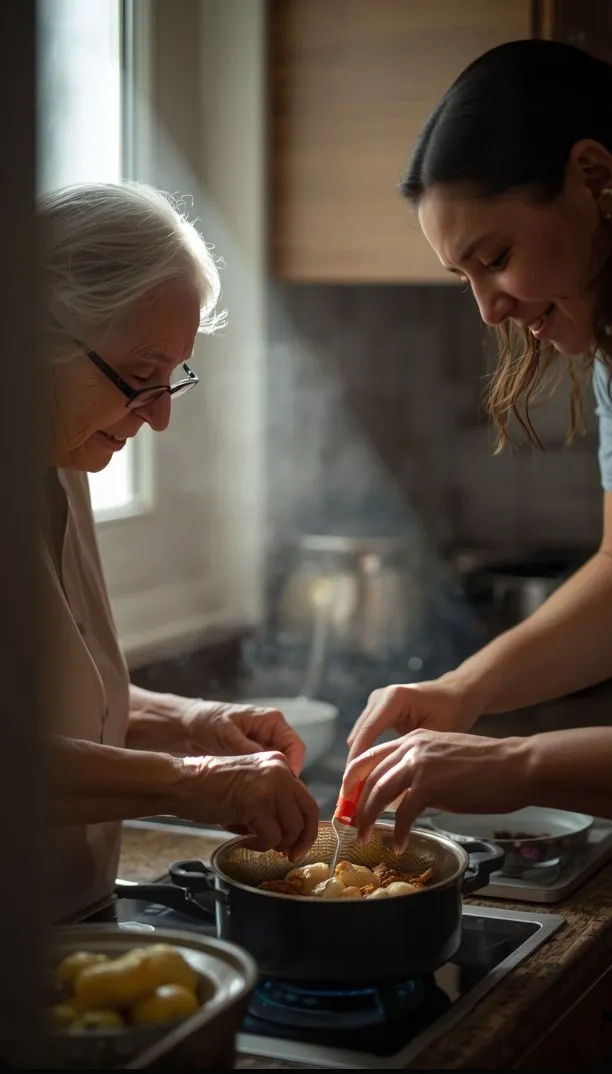
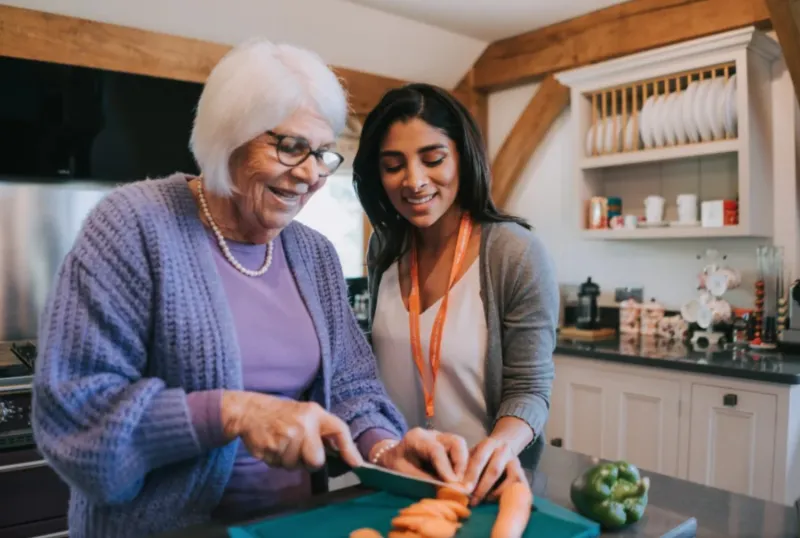
A caregiver and an older woman slice vegetables together in her kitchen

Meals and daily household support

Preparing a meal, washing dishes, doing laundry, and keeping up with light housekeeping can become exhausting when someone is also managing personal needs or caring for a family member.

Our non-medical care may include meal preparation, laundry, dishes, bed making, light cleaning, and other appropriate household assistance. These are practical tasks, but they contribute to a more comfortable daily routine.

We discuss which household activities matter most to the client and include appropriate tasks in the care plan. That way, the visit reflects the person’s real needs rather than a generic checklist.

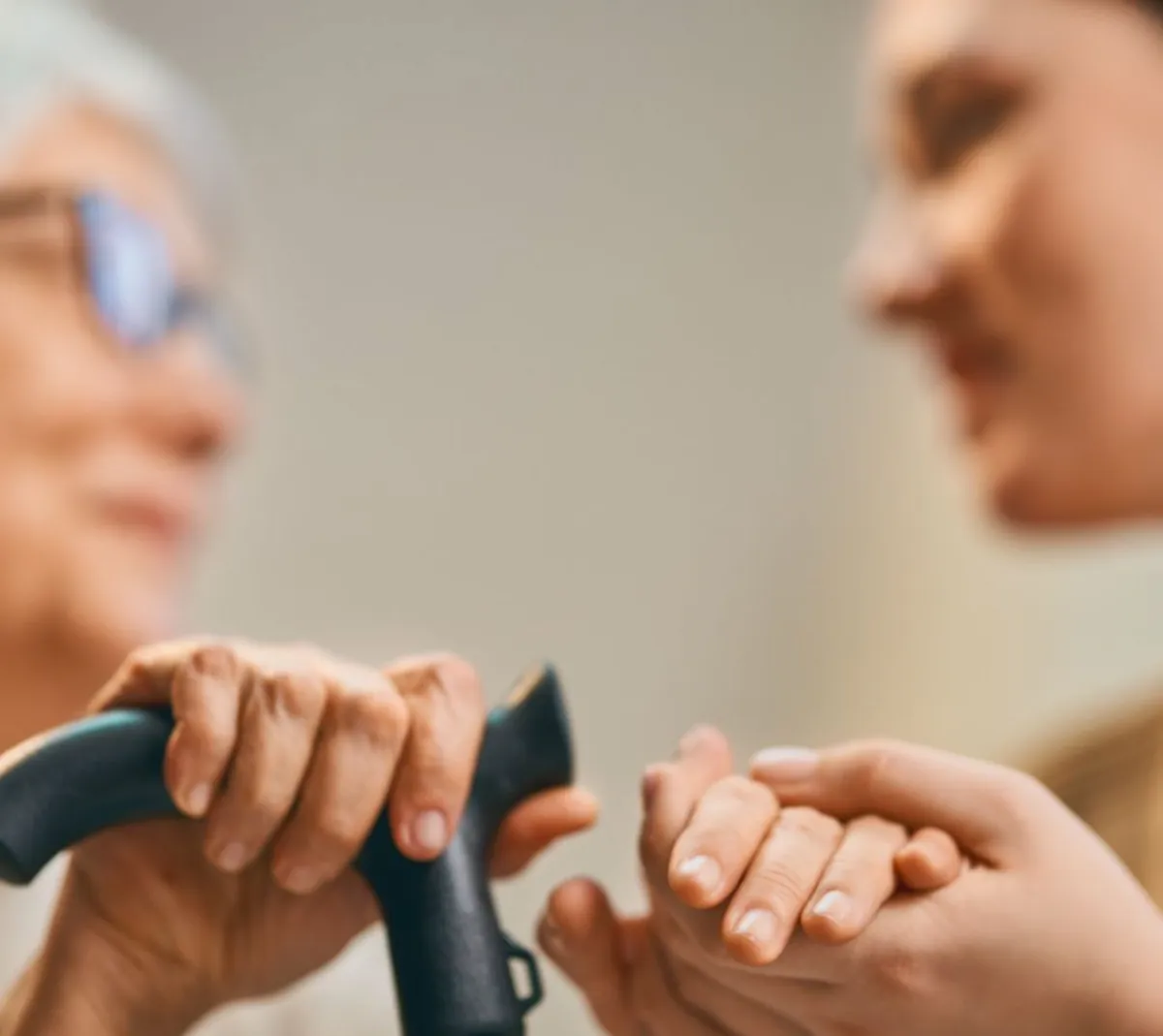
A caregiver gently holds the hand of an older woman resting her other hand on her cane

Respite care for family caregivers

Many family caregivers begin helping with one or two tasks and gradually find themselves managing much more. Work, appointments, errands, and rest can become difficult to fit around caregiving.

Respite care in Los Angeles provides appropriate support for a loved one while a family caregiver attends to other responsibilities or takes a break. Some families want regularly scheduled help. Others are exploring assistance during a particular period.

If you are providing most of the care now, tell us which parts of the day or week are hardest to cover. We can discuss suitable support and scheduling availability.

A caregiver and a smiling older man enjoy time together on his front porch

Appointment and outing support

Getting to an appointment may require more than arranging a ride. The client may need help preparing to leave, appropriate accompaniment, or assistance returning to their routine afterward.

When offered and arranged in the care plan, Ms. Lewis’s Home Care can discuss transportation coordination and accompaniment for appointments or outings. Tell us where the client needs to go and what assistance is required so we can determine what can be arranged.

A caregiver in a wine-red uniform chats with a smiling older woman resting in bed

Medication reminders

Some clients benefit from a reminder as part of their daily routine. Caregivers may provide non-clinical reminders and appropriate assistance with self-administered medication when permitted and included in the care plan.

Caregivers do not prescribe medication, determine doses, diagnose conditions, or make medical decisions. Those responsibilities remain with the appropriate licensed healthcare professionals and the people authorized to make decisions for the client.

Senior care

Senior care in Los Angeles that begins with the individual

A caregiver and an older woman prepare a fresh lunch together in her kitchen

Families looking for senior care in Los Angeles may have very different situations. One parent needs help with bathing and dressing each morning. Another manages personal care independently but has difficulty preparing meals. Someone else would benefit most from companionship and regular help around the home.

Age alone does not tell us what kind of care a person needs.

We begin with their routines, abilities, preferences, and goals. What do they want to continue doing for themselves? What assistance feels comfortable? Who is currently helping? What has changed recently?

Senior home care in Los Angeles works best when those questions shape the conversation. A care plan should describe the actual person living in the home, not just their age or a list of available services.

Our caregivers are expected to learn the person behind the assignment. That is the starting point for The Lewis Standard.

Care at home

Why families consider in-home senior care in Los Angeles

Home is where people know their surroundings and established routines. It may be where they enjoy their morning coffee, keep meaningful photographs, welcome relatives, and organize their day in a way that feels familiar.

In-home senior care in Los Angeles can provide help with everyday activities while allowing the client to remain in that familiar environment. It may also give relatives more support in coordinating meals, personal routines, companionship, and time away from caregiving.

Home care does not look identical for every family. Some need a small amount of practical help. Others need a broader conversation about the time of day, combination of services, and caregiver availability that would fit.

You do not have to decide all of that before calling us. Begin by describing the daily routine and where additional support would help.

A younger woman hugs a smiling older woman at home
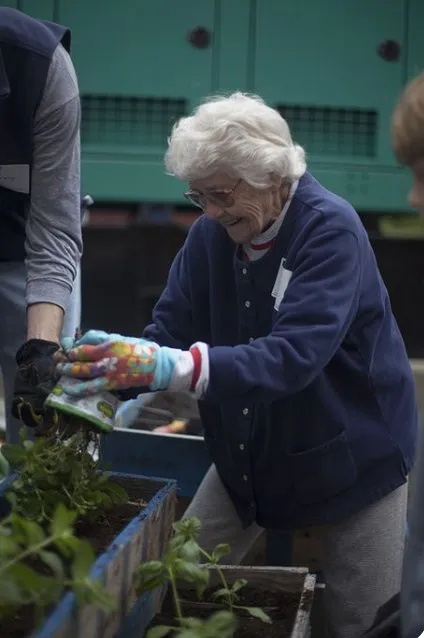
An older woman stays engaged in her gardening routine with support from a caregiver

Who we support

Care for older adults and individuals with disabilities

People searching for elderly care in Los Angeles often want help for a parent, grandparent, spouse, or other loved one whose daily routine is becoming harder to manage. Ms. Lewis’s Home Care’s blueprint also describes support for individuals with disabilities.

The appropriate care depends on the individual, not a broad label.

One client may want help with mobility and personal routines. Another may want companionship, meal preparation, and household support. A family caregiver may need time to attend to work and other responsibilities.

Our role is to discuss which non-medical services the agency can appropriately provide under the client’s care plan. If a need calls for skilled medical assessment or treatment, that belongs with licensed healthcare professionals.

The Lewis Standard

The Lewis Standard: home care that thinks ahead

A completed checklist does not always tell a family what they need to know. Someone can prepare a meal and also notice that the client barely touched it. They can assist with dressing and notice that a familiar routine took much longer than usual.

Those observations do not make a caregiver a clinician. They do make attention, documentation, and appropriate communication important.

Ms. Lewis’s approach is called The Lewis Standard:

01 · NOTICE

Notice: know the person, not just the task

Caregivers learn a client’s routines, preferences, abilities, and everyday patterns. This gives context to the assistance they provide and helps them recognize when something appears different.

02 · COMMUNICATE

Communicate: help relevant information reach the right people

An observation that remains with one caregiver may not help the client or family. When something should be shared, caregivers document and communicate it through appropriate agency channels and according to the care plan.

03 · ANTICIPATE

Anticipate: keep tomorrow in the conversation

Anticipating does not mean predicting a condition or offering a diagnosis. It means paying attention to changing routines or support needs so the right conversation can happen when appropriate.

04 · ACT

Act: follow through through the proper process

Caregivers follow the care plan and agency procedures. They report concerns appropriately and involve the right people when further direction is needed. Clinical assessments and medical decisions remain with licensed professionals.

For a family choosing a home care agency in Los Angeles, this is worth asking about: What does the agency expect caregivers to do when something seems different during an ordinary visit?

Read About The Lewis Standard

The Lewis Handoff

The Lewis Handoff: the next caregiver should not walk in blind

A caregiver in an apron cooks soup together with an older woman in a warm kitchen

Families often hope for a consistent caregiver, and we work toward dependable care relationships. Schedules, availability, and client needs can still require a different person to provide a visit.

What should carry forward when that happens?

The Lewis Handoff is the agency’s approach to communicating relevant information between visits. Depending on the care plan and agency procedures, that information might include:

  • Established daily routines and preferences.
  • Relevant observations from a prior visit.
  • A concern that has already been reported.
  • Family instructions that the caregiver should know.
  • Changes in the schedule.
  • Information needed to provide the next visit appropriately.
  1. A caregiver and an older woman share a joyful hug during a home visit
    TODAY’S VISIT

    Today’s visit

    The caregiver supports the client, pays attention, and documents relevant information.

  2. A care team member reviews notes with an older woman at her kitchen table
    THE LEWIS HANDOFF

    Between visits

    Information that matters is communicated, reviewed, or escalated through the proper channels.

  3. A caregiver laughs with an older couple in their living room
    THE NEXT VISIT

    The next visit

    The caregiver arrives with appropriate context about the person they are supporting.

What happened. What changed. What matters. What carries forward.

That is how we work toward connected care instead of a series of disconnected shifts.

See How The Lewis Handoff Works

Our care team

One caregiver at the door. A team behind the visit.

A caregiver may work one-on-one with the client, but the caregiver should know where to turn when a question comes up or a concern needs to be reported.

The team behind the visit helps coordinate schedules, support caregivers, respond to concerns, and keep relevant information moving according to agency procedures. Families should know whom to contact if a care need changes or something is not working.

When comparing caregiver services in Los Angeles, consider the support structure behind the individual caregiver. Ask how the agency coordinates visits, how concerns are communicated, and how the next caregiver gets information they need.

Reliable care involves the person in the home and the people helping that person do the work well.

A caregiver walks arm in arm with an older man with a cane through a green park

Behind every visit

A team can help

Coordinate schedules

Support caregivers

Respond to concerns

Keep relevant information moving

Our caregivers

How caregivers in Los Angeles should support your loved one

The first question many families ask is, “Who will be coming into the home?” It is a reasonable question. Care is personal, and comfort with a caregiver takes time.

A caregiver shares a warm hug with a laughing older woman beside a bright window

We believe caregivers in Los Angeles should approach a client’s home with respect, dependability, professional communication, and attention to the care plan. They should learn the client’s preferences rather than treating every assignment as identical.

Caregivers should also understand the limits of the non-medical role. They follow agency procedures and seek appropriate direction when a concern is beyond their role.They can observe and report. They do not diagnose.

The agency blueprint describes carefully selected caregivers and a team behind the visits.

Private duty care

What families mean by private duty home care in Los Angeles

A daughter hugs her smiling mother as her father looks on at home

A family searching for private duty home care in Los Angeles may be looking for one-on-one support arranged around a loved one’s needs and schedule. The term can mean different things across agencies, so it helps to ask what services are actually provided.

Ms. Lewis’s blueprint describes personalized, non-medical support that may include personal care, companionship, household assistance, respite, and appropriate appointment support. The care plan should reflect the client’s needs and preferences.

If you are comparing private duty agencies, ask:

  • Which services are appropriate for this client?
  • How will the caregiver learn their routine?
  • Who coordinates the schedule?
  • How are relevant observations communicated?
  • What happens if a different caregiver provides a visit?
  • What does the quoted schedule include?

A clear answer to those questions is more useful than a broad promise of “personalized care.”

Nonmedical home care

Nonmedical home care in Los Angeles focuses on daily living and personal support. It may involve bathing assistance, dressing, companionship, meals, household tasks, respite, and other appropriate activities under a care plan.

Home health

Home health generally refers to skilled services performed by licensed healthcare professionals when medically appropriate. Those services are different from the non-medical care described on this page.

Ms. Lewis’s caregivers do not diagnose a condition or decide what a medical observation means. They are expected to notice observable changes, document appropriately, and communicate concerns through established channels.

If your loved one also receives medical services, tell us about the daily routines and non-medical tasks where additional support is needed. Any clinical directions must remain with the appropriate licensed professionals.

Home care and home health

Nonmedical home care in Los Angeles and medical home health

It is easy to confuse the terms home care and home health. Understanding the difference helps a family choose the right support.

For Los Angeles families

Signs your family may be ready to discuss home care

There is rarely one perfect moment to begin looking for help. Many families first notice several small difficulties:

A loved one is eating less often because meal preparation has become tiring. Getting ready for the day takes more effort. Household tasks are piling up. A person who used to enjoy company is spending more time alone. One relative is handling most of the caregiving and needs relief. Family members do not know what happened between their own visits. Someone is returning home after a hospital stay and needs non-medical help with daily activities.

What you've noticed

0 of 7

These examples do not diagnose a condition. They are reasons to ask whether additional daily support would make home life easier to manage.

If you are unsure whether to seek senior care in Los Angeles, tell us what you have noticed and what you are doing to help now. We can discuss the kind of assistance our agency provides and whether it fits the situation.

Start a Care Conversation

Returning home

Support after a return home

Returning home after a hospital stay or another major disruption can change the family’s daily routine. A person may be glad to be home but need help preparing meals, getting dressed, keeping up with household tasks, or attending a follow-up appointment.

Ms. Lewis’s Home Care can discuss non-medical daily living support while the client settles back into life at home. We will need to understand which activities require help, what the family is handling, and whether any instructions from licensed professionals affect the care plan.

Our caregivers do not provide skilled nursing or replace medical follow-up. Their role is to assist with appropriate everyday tasks and communicate relevant observations according to agency procedures.

A caregiver and an older woman prepare a simple meal together at the stove

Family coordination

Home care when several family members are involved

In a large city, family caregiving often involves people with different schedules and responsibilities. One sibling may arrange appointments. Another may check in after work. A spouse may be present every day, while other relatives live farther away.

A smiling older woman checks a message from her family on her phone

Before care begins, discuss who should be involved in care decisions and whom the agency should contact about scheduling or concerns. Communication should follow the client’s wishes, care plan, and applicable permissions.

Our goal is to make relevant information useful to the people who are responsible for supporting the client. Families should not have to reconstruct every visit through scattered calls and messages.

The Lewis Standard and The Lewis Handoff are designed to support that more connected approach.

Questions to ask

How to choose a home care agency in Los Angeles

There are many home care agencies in Los Angeles. Their service lists may look similar, so ask how care works after the first visit.

Ask about the client

  • How do you learn a client’s preferences and routines?
  • How are personal care tasks defined?
  • How do you respect what the person wants to keep doing independently?

Ask about caregivers

  • How are caregivers prepared for a client’s needs?
  • Who supports them when a question comes up?
  • What happens if the assigned caregiver is unavailable?

Ask about communication

  • How does the family learn what happened during a visit?
  • What does a caregiver do when something seems different?
  • What information reaches the next caregiver?

Ask about the schedule and service area

  • Can you cover the care address and requested hours?
  • What happens when needs or schedules change?
  • Which services can the agency actually provide?

Ask us these questions, too. They will help you decide whether our approach is the right fit for your family.

Getting started

How to begin home care in Los Angeles

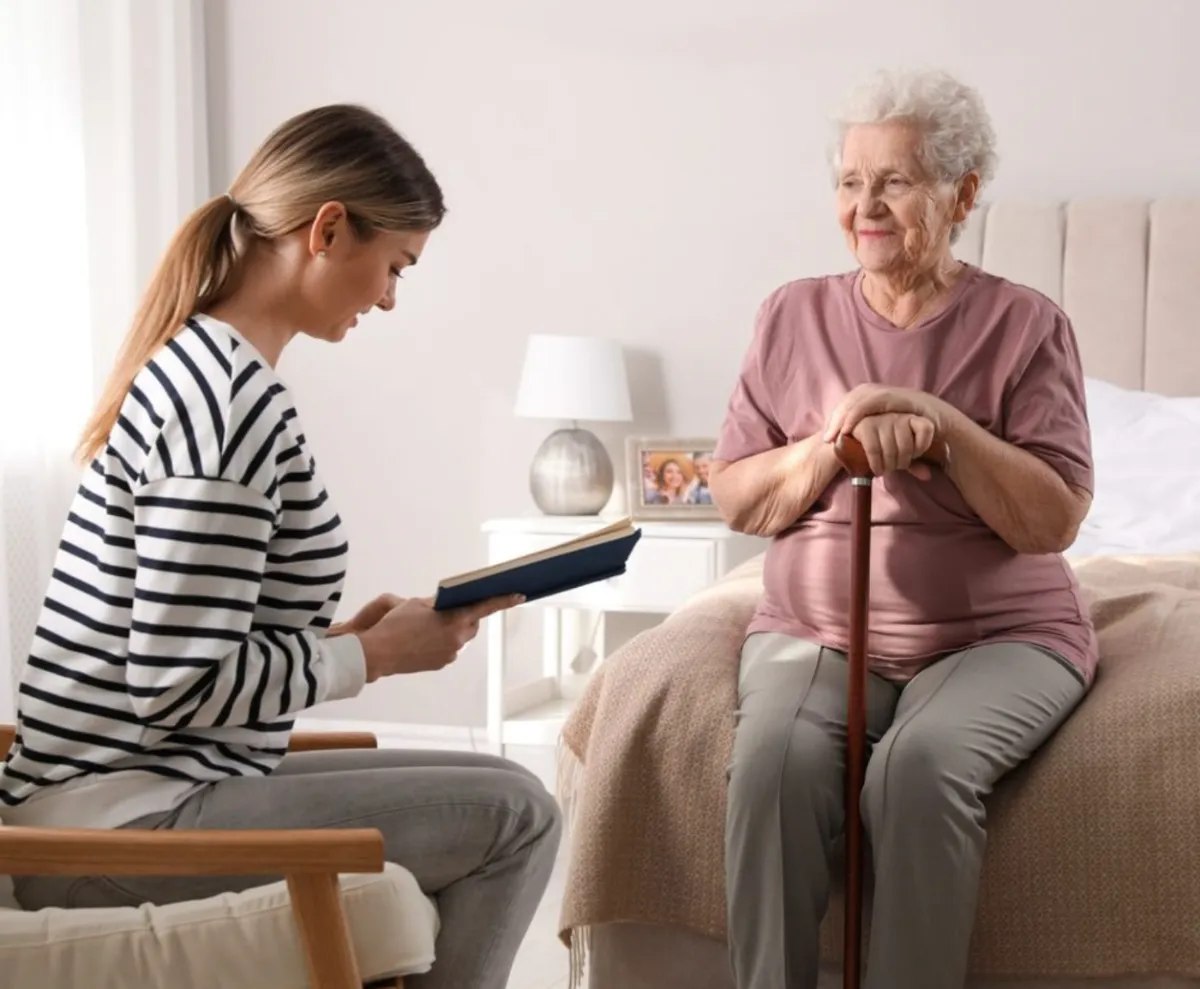
A caregiver reads aloud to an older woman resting on her bed with her cane
  1. STEP 1

    Tell us what is happening

    Call (562) 273-3487 or complete the care conversation form. Describe the client’s current routine, what has become difficult, and what your family hopes will improve.

  2. STEP 2

    Share the care location

    Provide the city and ZIP code where care would take place. Los Angeles is a large city, and availability depends on the specific location as well as the schedule and care needs.

  3. STEP 3

    Discuss appropriate services

    We can talk through personal care, companion care, household support, respite, and other appropriate non-medical services. You do not have to choose a service category before that conversation.

  4. STEP 4

    Review the requested schedule

    Tell us when help is most needed and when you hope to begin. We can discuss potential arrangements based on caregiver availability.

  5. STEP 5

    Discuss communication expectations

    Tell us who should be contacted, what concerns your family has, and which routines are particularly important to your loved one. These details help frame the care conversation.

Start a Care Conversation

Questions from Los Angeles families

Los Angeles home care FAQs

No. Begin with the parts of the day that have become difficult. Tell us what family members are doing now and when additional help would matter most. We can discuss scheduling once we understand the situation.

A caregiver shares a calm, happy moment with an older man at home

The next step

Care in Los Angeles should start with your loved one’s life

If you searched for home care Los Angeles, in-home care Los Angeles, senior home care Los Angeles, or caregiver services Los Angeles, you may already know that some help is needed. What you may not know yet is the right combination of services.

Start with the person. Tell us how they spend the day, what matters to them, what has become difficult, and what would give your family more confidence in the care process.

Ms. Lewis’s Home Care will start the conversation there.
Ms. Lewis’s Home Care LLC
9737 Somerset Boulevard
Bellflower, CA 90706
Phone: (562) 273-3487
Agency license: HCO #194701300

Contact us

Start a care conversation in Los Angeles

You do not need to have everything figured out. Tell us what is happening now.

OFFICE9737 Somerset Boulevard, Bellflower, CA 90706

LICENSEHCO #194701300

Request a care conversation

This field is for validation purposes and should be left unchanged.
Call (562) 273-3487 Start Care