


Questions about care? Call (562) 273-3487 Agency license HCO #194701300

The Lewis Standard

Home care should do more than complete today’s checklist.

Tasks matter. So does what happens around them.

The Lewis Standard is our approach to making home care more attentive, connected, and useful to the client and the people who care about them.

Notice. Communicate. Anticipate. Act.

A caregiver shares a warm hug with a laughing older woman at home

The Lewis Standard

Four parts of The Lewis Standard

01 NOTICE

Notice: know the person behind the task

Care begins with learning a client’s routines, preferences, abilities, and everyday patterns. When a caregiver understands what is usual for someone, they have better context for recognizing when something appears different.

Caregivers observe. They do not diagnose.

02 COMMUNICATE

Communicate: make information useful

An important observation should not stop with the person who noticed it. Relevant information is documented and communicated through appropriate channels according to the care plan and agency procedures.

03 ANTICIPATE

Anticipate: keep tomorrow in the conversation

We pay attention to whether routines or support needs appear to be changing. Anticipating does not mean predicting a medical condition. It means recognizing when an appropriate conversation or care plan review may be needed.

04 ACT

Act: follow through appropriately

Caregivers follow the care plan, communicate concerns, and seek direction when needed. Clinical assessment and medical decisions remain with the appropriate licensed healthcare professionals.

  1. 01

    Notice

  2. 02

    Communicate

  3. 03

    Anticipate

  4. 04

    Act

Non-medical by design. Caregivers do not diagnose conditions, provide skilled nursing, or make medical decisions. They observe, document, and communicate through the proper channels.

Start a Care Conversation
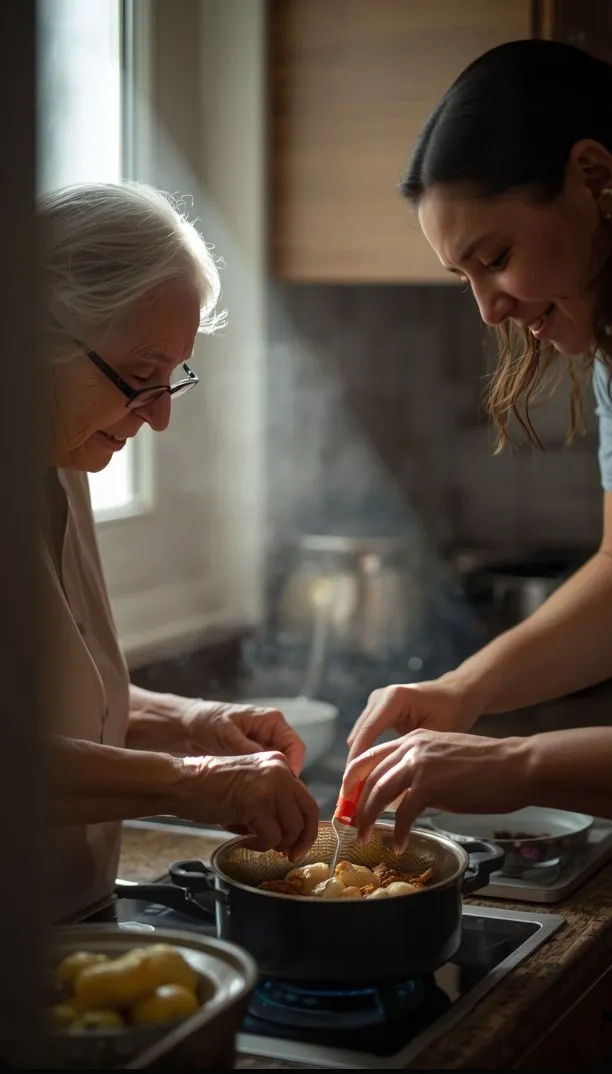
A caregiver and an older woman prepare a meal together at the stove

In everyday moments

What intentional care looks like

A caregiver helps prepare a meal and learns what the client enjoys eating. They assist with a morning routine and learn which parts the client wants to do independently. They provide companionship and become familiar with the activities the client looks forward to.

Attention to these everyday details makes care more personal. It also helps relevant observations have context when they are communicated.

Between visits

How care stays connected

A family should not have to rebuild the story of their loved one’s care every time a shift changes. Information that the next caregiver appropriately needs should carry forward. That is the purpose of The Lewis Handoff.

A caregiver in a wine-red uniform listens to an older client at home

The Lewis Human Intelligence System

Five connected parts. One standard of care.

The Lewis Standard of Care sets the expectation. The Lewis Human Intelligence System puts that expectation into practice through five connected parts.

Human intelligence means knowing the person, noticing what is different, sharing useful information and following through. Our caregivers bring attention and judgment to everyday support while remaining within their non-medical role.

  1. Part 1

    The Lewis Look-Ahead™

  2. Part 2

    The Lewis Handoff™

  3. Part 3

    Lewis CareView™

  4. Part 4

    The 30-Day Care Check™

  5. Part 5

    The Family Signal™

The foundation: The Lewis Standard of Care

Notice. Communicate. Anticipate. Act.

Part 1

The Lewis Look-Ahead™

Every visit combines practical care with attention to observable changes in everyday routines, preferences and support needs. Caregivers notice, document and report what matters without making clinical judgments.

We learn what is usual for each client: how they prefer a meal, move through a familiar routine or spend their day. A meal barely touched or a routine taking longer may be worth reporting. The purpose is to share an observable difference, not to decide what it means medically.

Part 2

The Lewis Handoff™

Relevant information carries forward between visits so the next caregiver arrives informed. The caregiver may change. Knowledge should not.

The handoff carries relevant routines, preferences, visit notes, reported concerns, pending follow-up and instructions for the next visit. Information is shared with the people who need it for their role, according to the care plan and agency procedures. No caregiver should walk in blind.

Part 3

Lewis CareView™

Authorized family contacts receive timely, useful updates through agreed communication channels, so they do not have to hunt for information about the care provided.

CareView connects families with an understandable account of the visit: what support was provided, what was noticed and what needs follow-up. At the start of care, we agree on authorized recipients, the communication method and the expected timing of updates. CareView describes our family communication practice; it does not promise a particular app or continuous monitoring.

Part 4

The 30-Day Care Check™

Every 30 days, we ask what is different now: routines, preferences, family concerns and the support that is needed. When needs change sooner, we address them sooner.

This is a review of non-medical support, not a clinical assessment. We discuss what is working, what has become harder and whether the care plan, schedule or communication arrangements need attention. Agreed changes are documented and carried forward to the care team.

Part 5

The Family Signal™

A defined communication process guides what needs prompt contact, what belongs in a routine update and what requires escalation under agency policy. Families know who to contact and how concerns move forward.

We agree on the primary family contact and backup contact, preferred channels and the reporting path for concerns. Routine visit information goes into the agreed update. Concerns requiring prompt attention are reported without waiting for that update. Matters needing additional direction go to the appropriate agency contact or healthcare professional according to the situation and agency procedures. Emergencies follow emergency procedures immediately; they do not wait for a routine message or care review.

How the Five Parts Work Together

During a visit, Look-Ahead helps the caregiver notice an observable change. Family Signal guides how it is reported. CareView keeps authorized family contacts informed. Handoff carries relevant information to the next caregiver. The 30-Day Care Check reviews whether the ongoing support still fits, with earlier review when a concern arises.

Our Non Medical Boundaries

We never monitor or interpret a client’s health clinically. We train caregivers to recognize and report observable changes and potential concerns. Families and appropriate healthcare professionals determine what reported changes mean medically; clinical assessment and treatment decisions remain with licensed healthcare professionals.

Call (562) 273-3487 Start Care